-
BLACK RICE
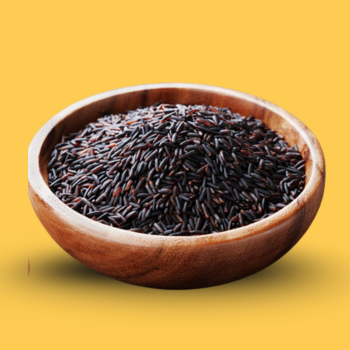
Black sticky rice is a variety of cultivated rice. What gives it the color, is the presence of an antioxidant called anthocyanin. What gives it the stickiness is the high level of amylopectin, which is a pigment found in fruits such as blueberries. Adding to that, the rice appears to be black also due to high melanin (a natural pigment) content in the bran.
Research has shown that black sticky rice has a higher antioxidant content and higher content of valuable phyto-chemical than blueberries. It is exceptional as it contains a mixture of both water soluble and fat-soluble classes of antioxidants, which is rare even among the best pulses and grains, like quinoa and millets.
In fact, the Chinese emperors so treasured this rice that it was decreed a grain meant to be consumed only by royalty. And this led to the rice being known as the “forbidden rice”.
Black sticky rice is a rich source of antioxidants due to the bran and germ layer found in the outer coating. It is considered a super food due to its high nutritive value and like other rice varieties, it is gluten free!
-
Chia seeds
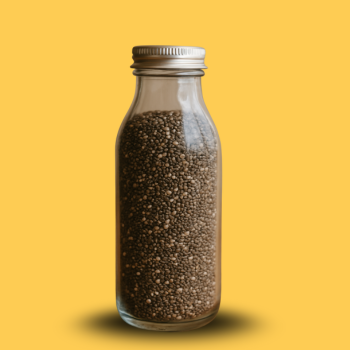
Chia seeds have many health benefits, including improving digestion, heart health, and skin health. They are high in fibre, omega-3 fatty acids, antioxidants, and minerals.
Health benefits
- Digestion: Chia seeds are high in fibre, which can help with digestion and gut health.
- Heart health: Chia seeds can help lower blood pressure and reduce the risk of heart disease.
- Weight loss: Chia seeds may help with weight loss.
- Blood sugar: Chia seeds may help regulate blood sugar levels.
- Skin health: Chia seeds can promote skin detoxification and health.
- Bone health: Chia seeds can support bone health.
- Energy: Chia seeds can boost energy and metabolism.
-
Khapli wheat
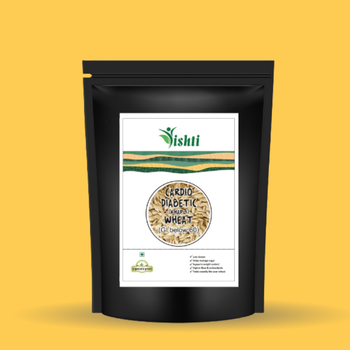
The four prominent species of wheat are as below:
- Common wheat or bread wheat (Triticum aestivum) – The most widely cultivated species in the world.
- Spelt (Triticum spelta) – Another species largely replaced by bread wheat, but in the 21st century grown, often organically, for artisanal bread and pasta.
- Durum (Triticum durum) – A species of wheat widely used today, and the second most widely cultivated wheat. This hard, translucent, light-coloured grain is used to make semolinaflour for pasta and bulghur. It is high in protein, specifically, gluten protein.
- Emmer (Triticum dicoccum) – A species cultivated in ancient times, derived from wild emmer, Triticum dicoccoides.
99 in stock
-
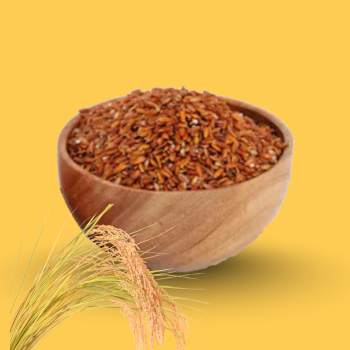
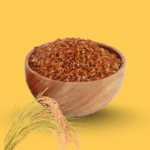
RAKTASALI RICE
Ancient Ayurvedic treatises laud the Raktasali red rice as a nutritive food and medicine.
Raktasali RiceRaktasali (red rice) Improves eyesight, best for health, good for skin, diuretic, voice improver, semen enhancer. Red Sali (Raktasali) was the most efficacious in subduing deranged humors. It was considered diuretic, spermatophytic, refrigerant, eye-invigorating, cosmetic, tonic, and pleasant. It was good for fever and ulcers and was anti-toxic.
This variety of rice has high iron content hence is recommended for pregnant women and for people having health issues of account of iron deficiency.